Have any questions?
get in touchTel : +86 18038131568
Whatsapp : +86 18038131568
E-mail : jw@pcjoinwin.com
Skype : joinwinsales01


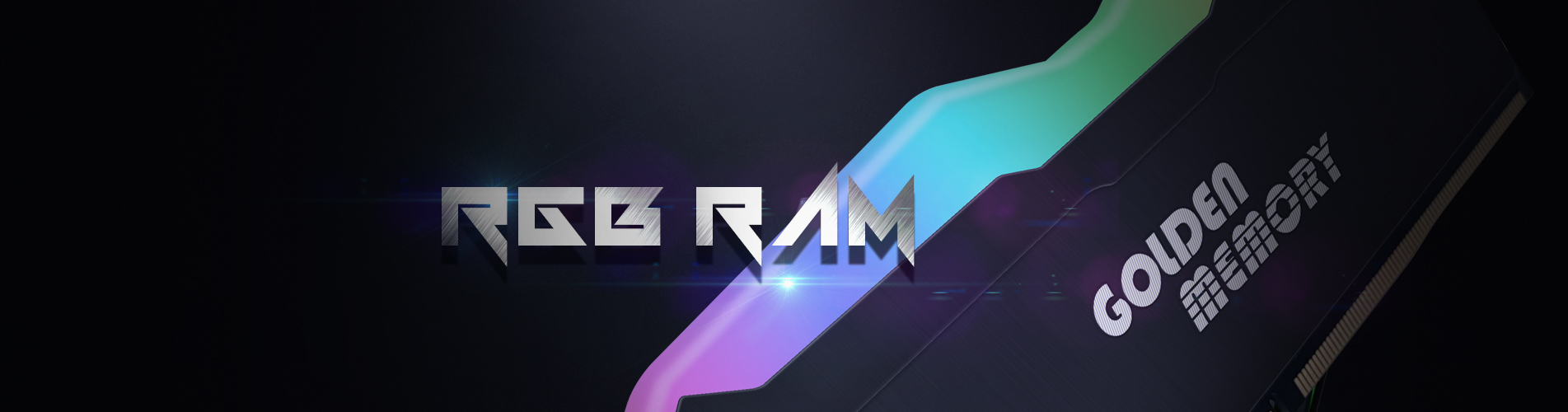
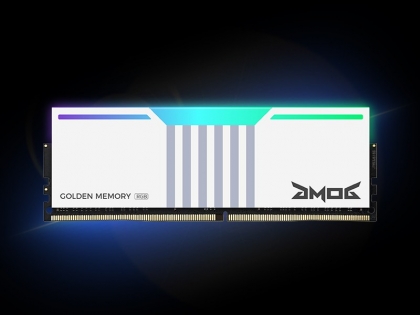
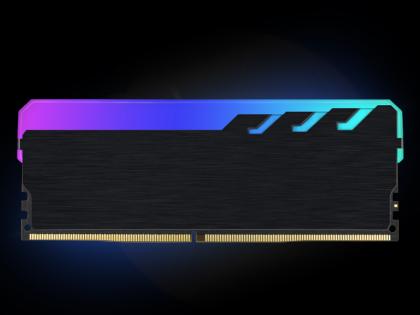
Memory RGB RAM DDR4 4GB For Desktop
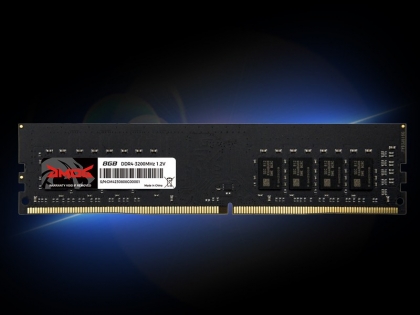
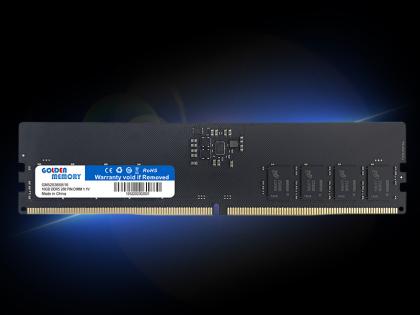
View MoreMemory RAM DDR4 4GB For Desktop
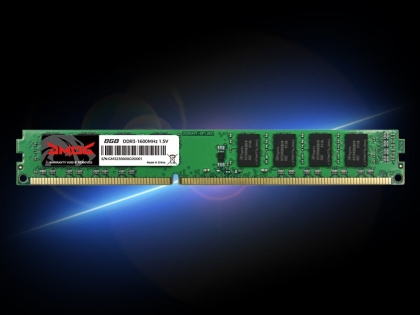
View MoreWith Heatsink RAM DDR3 8GB For Desktop
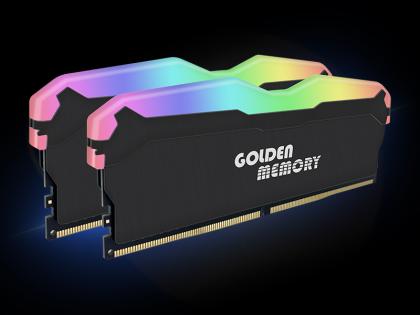
View MoreMemory RGB RAM DDR4 16GB For Desktop
View MoreMemory RGB RAM DDR4 16GB For Desktop
View MoreMemory RGB RAM DDR4 8GB For Desktop
View MoreMemory RGB RAM DDR4 8GB For Desktop
View MoreMajor Turnaround in the Memory Module Market in 2026: Technological Iteration and Domestic Rise Reshape Industry Pattern
Apr 08, 2026
Major Turnaround in the Memory Module Market in 2026: Technological Iteration and Domestic Rise Reshape Industry Pattern
Since March 2026, the global memory module market has ended irrational fluctuations and entered a rational development stage, with mainstream models gradually returning to reasonable pricing. The release of Google's TurboQuant AI memory compression algorithm, capacity adjustment of international giants and the rise of domestic manufacturers have jointly driven market transformation.
I. Market Return: Rational Pricing Brings Benefits to Consumers
From the end of 2024 to the end of 2025, consumer-grade DRAM prices remained high, suppressing consumer demand. After March 2026, global DRAM prices returned to a reasonable range, channel inventory returned to normal, and mainstream memory models at home and abroad had affordable pricing and sufficient supply, driving the recovery of the DIY PC market.
II. Behind the Transformation: Multiple Factors Achieve Supply-Demand Balance
The rational market transformation stems from the resonance of multiple factors, with the core being the rebalancing of supply and demand. On the supply side, international storage giants diverted capacity back to consumer-grade DRAM, and domestic CXMT's second-phase project was mass-produced, with its market share rising to 14%, breaking the price monopoly. On the demand side, previous high prices suppressed consumption, and Google's TurboQuant algorithm rationalized market sentiment. On the channel side, the burst of inventory bubble promoted sound market development.
III. Technological Iteration: DDR6 Popularization and AI Reshaping Demand Logic
In 2026, DDR6 gradually became the mainstream with a penetration rate exceeding 90%, showing significant improvements in performance and power consumption compared to DDR5. Both international giants and domestic manufacturers accelerated their layout. Google's TurboQuant algorithm greatly improved memory utilization efficiency, driving AI memory demand from "quantity-driven" to "efficiency-driven", and technological innovation became the core of competition.
IV. Industry Pattern: Domestic Rise Enters a New Competition Stage
Previously, the global memory market was monopolized by three international giants. In 2026, domestic manufacturers rose, with CXMT becoming the world's fourth-largest DRAM manufacturer, and Yangtze Memory Technologies accelerating its efforts to break the monopoly. International giants focused on the high-end market, forming a new pattern of "high-end dominance and mid-to-low-end competition".
V. Future Outlook: Stable Pricing and Long-Term Positive Industry Trends
Industry expectations indicate that memory pricing will remain moderately stable in the second half of 2026, with the supply-demand balance continuing. In the long run, emerging technologies such as AI and cloud computing will drive the growth of memory demand. The popularization of DDR6 and the rise of domestic manufacturers will promote high-quality industrial development, and consumers can purchase on demand.
Friendly Links :
tslcd 3splc distributed control system PLC Module Wholesale Omni Antennas tonewinner IPTV Products Handheld Refractometers fibertoptech automation control products 5gplc Huaqing Electronic Proximity Sensor catflo Fibertopsfp floor heating thermostat Ourino senhaixun Custom Wiring Harness Crystal Oscillator dtechelectronics syblecode gangyuantech yxsxceramic kerienplc smarts-electronics liantronics gzyelecauto homnecks Green Hydrogen Systems zhicetemptech bonle benchu-group ABB Digital I/O Module esdled citcable