Have any questions?
get in touchTel : +86 18038131568
Whatsapp : +86 18038131568
E-mail : jw@pcjoinwin.com
Skype : joinwinsales01


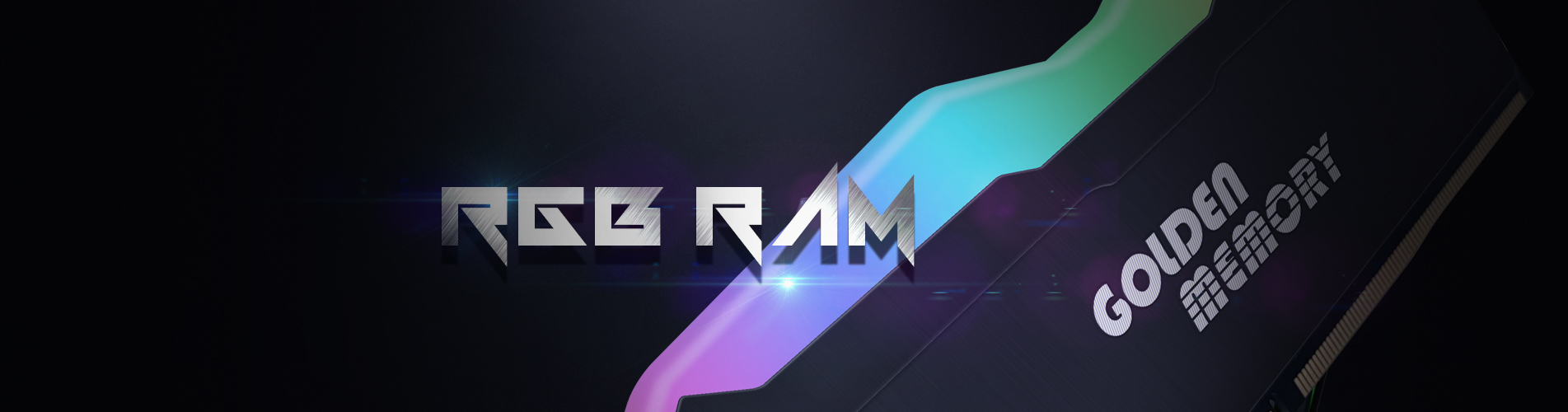
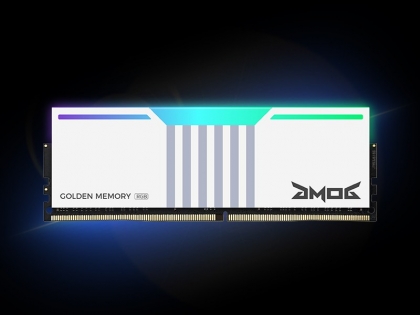
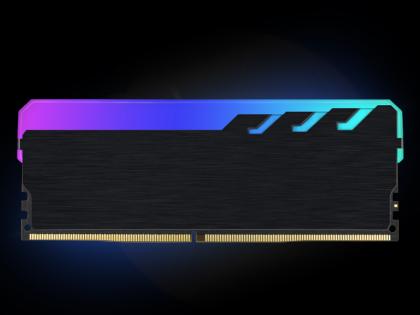
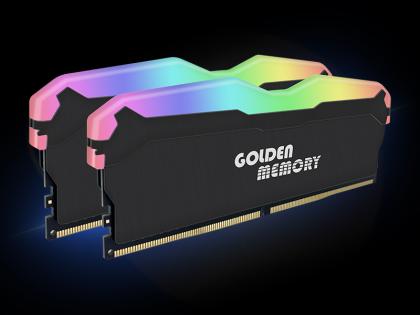
Memory RGB RAM DDR4 4GB For Desktop
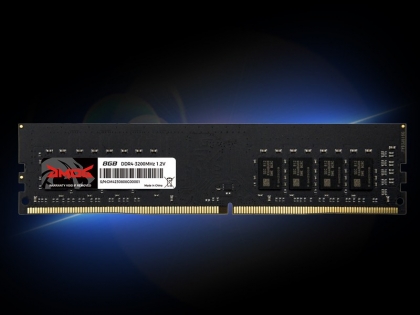
View MoreMemory RAM DDR4 4GB For Desktop
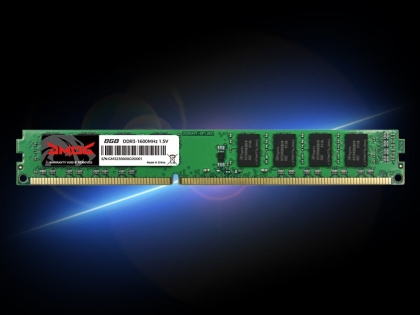
View MoreWith Heatsink RAM DDR3 8GB For Desktop
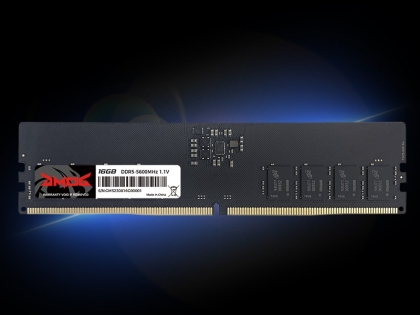
View MoreMemory RGB RAM DDR4 16GB For Desktop
View MoreMemory RGB RAM DDR4 16GB For Desktop
View MoreMemory RGB RAM DDR4 8GB For Desktop
View MoreMemory RGB RAM DDR4 8GB For Desktop
View MoreMemory and SSD: 2026 Latest Developments
May 11, 2026
· High Bandwidth Memory (HBM) Emerges as the Core of AI Computing Power:
SK Hynix has globally debuted HBM4 (featuring a 12-layer stack with a single-stack capacity of up to 48GB) and has entered the mass production phase. While HBM3E is set to become the mainstream standard in 2025, HBM4 is expected to see accelerated adoption across NVIDIA, AMD, and domestic AI chips in 2026. Thanks to its bandwidth exceeding 1TB/s and low power consumption, HBM has emerged as the sole choice for training large-scale AI models, accounting for over 70% of global DRAM production capacity.。
· Consumer Memory: DDR5 Achieves Widespread Adoption:
DDR5-8000 has emerged as the absolute mainstream standard in the global consumer market, with DDR5-8000 products from Samsung, SK Hynix, and Micron now fully rolled out.
· DDR6 Enters Preliminary R&D Phase:
JEDEC has yet to release the final DDR6 standard, as disagreements persist regarding key parameters—specifically voltage, pin layout, and sub-channel architecture. Although Samsung and SK Hynix have already initiated sample validation, deployment in 2028 is expected to be limited exclusively to server platforms; consumer-grade motherboards (such as AMD AM6 and Intel LGA1851) are unlikely to offer support until 2030.
· Production capacity and supply remain tight.:
In Q2 2026, global contract prices for general-purpose DRAM are projected to rise by 58%–63% quarter-on-quarter, primarily because AI servers are prioritizing and absorbing production capacity for HBM and high-density DDR5. Micron has completely exited the consumer-grade DRAM business; the global consumer market is now dominated by Samsung (38%), SK Hynix (25%), and CXMT (18%), with Chinese brands collectively holding a global market share of less than 20%.
· PCIe Gen6 SSD Commercial Launch:
InnoGrit and Pengtai Storage are set to launch the world's first PCIe Gen6 AI SSDs in Q1 2026, featuring sequential read speeds of up to 28 GB/s, 512B random read performance exceeding 50M IOPS, and latency as low as 2.8 μs—specifically optimized for AI inference KV caching.。
· The CXL Protocol Emerges as a Key Interface:
Enterprise-grade SSDs have begun to support CXL 3.0, enabling pooled memory sharing with CPUs and GPUs and breaking through traditional NVMe bottlenecks. NVIDIA’s BlueField-4 platform has integrated SSDs into the GPU’s context caching hierarchy, thereby transforming the SSD from a mere "storage device" into an "AI data scheduling node."
· QLC and PLC NAND: Enterprise-Dominant, Consumer-Constrained:
Enterprise-grade QLC SSDs have surpassed the 200TB capacity mark per drive, serving the AI "warm data" tier; meanwhile, PLC NAND has not yet achieved large-scale commercial adoption due to limitations in lifespan and cost, leaving TLC and QLC PCIe 5.0 drives as the prevailing standard in the consumer market.
Friendly Links :
tslcd 3splc distributed control system PLC Module Wholesale Omni Antennas tonewinner IPTV Products Handheld Refractometers fibertoptech automation control products 5gplc Huaqing Electronic Proximity Sensor catflo Fibertopsfp floor heating thermostat Ourino senhaixun Custom Wiring Harness Crystal Oscillator dtechelectronics syblecode gangyuantech yxsxceramic kerienplc smarts-electronics liantronics gzyelecauto homnecks Green Hydrogen Systems zhicetemptech bonle benchu-group ABB Digital I/O Module esdled citcable