Have any questions?
get in touchTel : +86 18038131568
Whatsapp : +86 18038131568
E-mail : jw@pcjoinwin.com
Skype : joinwinsales01


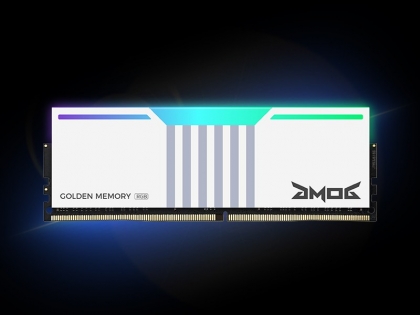
Memory RGB RAM DDR4 4GB For Desktop
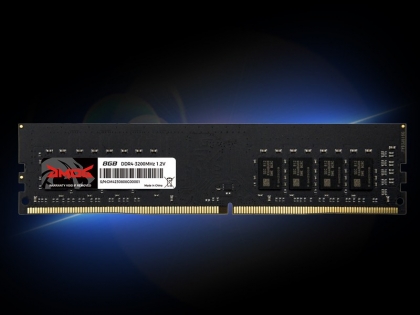
View MoreMemory RAM DDR4 4GB For Desktop
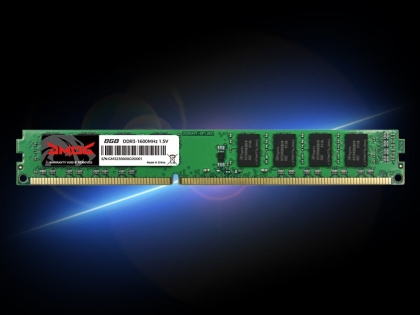
View MoreWith Heatsink RAM DDR3 8GB For Desktop
View MoreMemory RGB RAM DDR4 16GB For Desktop
View MoreMemory RGB RAM DDR4 16GB For Desktop
View MoreMemory RGB RAM DDR4 8GB For Desktop
View MoreMemory RGB RAM DDR4 8GB For Desktop
View MoreNo Relief in Sight: Why Consumer Storage Costs Will Stay High Through 2026
Aug 31, 2026No Relief in Sight: Why Consumer Storage Costs Will Stay High Through 2026
**AI Demand Siphons Supply as Consumer DRAM and SSD Prices Plateau at High Levels: Growth Slows, But Lows Remain Far Off**
As artificial intelligence infrastructure demands explode worldwide, the global memory chip market is undergoing a profound structural shift. Throughout 2026, consumer DRAM and NAND solid-state drive (SSD) procurement costs have remained severely elevated. Mainstream 32GB DDR5 kits and 2TB PCIe 4.0 NVMe SSDs are trading at multiples of their previous cyclical lows. Although price growth has moderated in the third quarter of 2026 as consumer purchasing power hits an affordability wall, industry analysts expect elevated prices to persist through the remainder of 2026 and well into 2027 due to ongoing capacity reallocation toward enterprise SSDs and High Bandwidth Memory (HBM).
**Capacity Reallocation and the AI Siphon Effect**
The core catalyst of this supercycle stems from unyielding data center investments in AI compute infrastructure. Top memory manufacturers—including Samsung, SK Hynix, and Micron—have prioritized fab capacity for high-margin HBM, server-grade RDIMMs, and enterprise SSDs (eSSDs). With production lines dedicated to AI workloads, the available wafer supply for conventional PC DRAM and client NAND Flash has been systematically squeezed.
Simultaneously, the rapid push for "On-Device AI" across smartphones and AI PCs has raised baseline RAM and storage configurations, further compounding client memory shortages. This multi-layered squeeze drove extreme price spikes in early 2026, forcing PC builders and retail consumers to face steep hardware upgrade costs.
**Q3 Price Surge Moderates Amid High-Level Tug-of-War**
According to data from TrendForce, contract price increases have begun to moderate in Q3 2026 following explosive surges in the first half of the year. Conventional DRAM contract prices are projected to rise by 13% to 18% quarter-over-quarter in Q3, while NAND Flash contract prices are expected to increase by 10% to 15%.
This deceleration does not signal oversupply, but rather an affordability bottleneck among PC OEMs and end-user consumers. With PC makers having pre-stocked inventory earlier in the year and retail consumers unable to absorb further steep cost pass-throughs, buyers and sellers are locked in tense negotiations. Facing sluggish PC and smartphone shipment growth, module vendors have little room left to raise consumer prices further.
**Market Outlook: Plateauing at Highs **
Looking ahead through the rest of 2026 and into 2027, the likelihood of consumer storage returning to previous bargain-basement pricing is minimal. Because constructing new fab facilities and bringing them to production scale typically takes 1.5 to 2 years, supply tightness will not be fundamentally resolved this year. Market consensus points to high-level price plateauing in Q4 2026, with any temporary pullbacks remaining modest.
Friendly Links :
tslcd 3splc distributed control system PLC Module Wholesale Omni Antennas tonewinner IPTV Products Handheld Refractometers fibertoptech automation control products 5gplc Huaqing Electronic Proximity Sensor catflo Fibertopsfp floor heating thermostat Ourino senhaixun Custom Wiring Harness Crystal Oscillator dtechelectronics syblecode gangyuantech yxsxceramic kerienplc smarts-electronics liantronics gzyelecauto homnecks Green Hydrogen Systems zhicetemptech bonle benchu-group ABB Digital I/O Module esdled citcable