Have any questions?
get in touchTel : +86 18038131568
Whatsapp : +86 18038131568
E-mail : jw@pcjoinwin.com
Skype : joinwinsales01


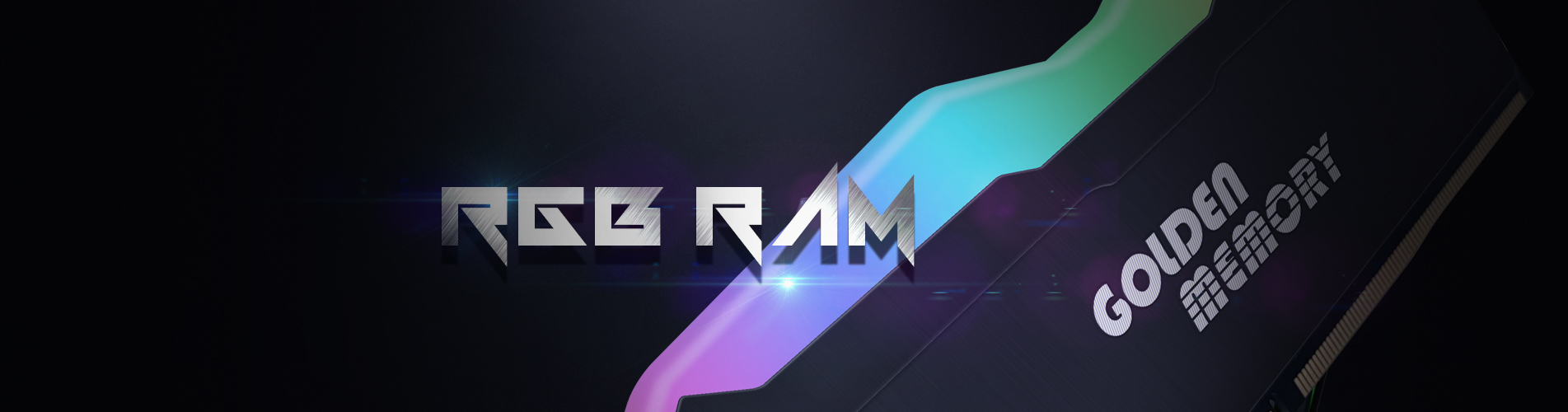
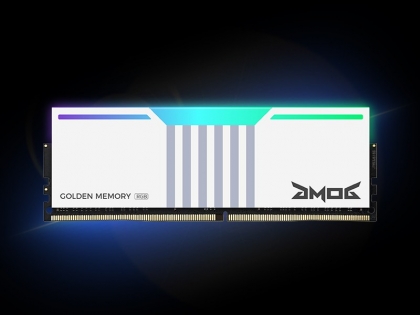
Memory RGB RAM DDR4 4GB For Desktop
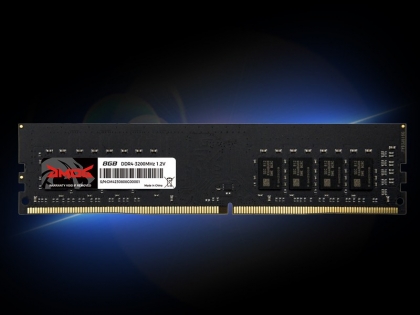
View MoreMemory RAM DDR4 4GB For Desktop
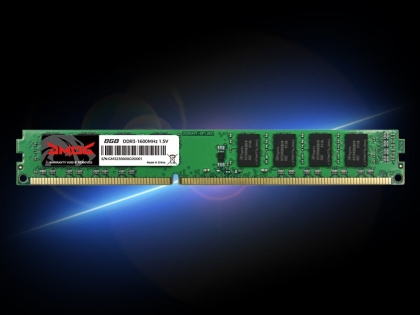
View MoreWith Heatsink RAM DDR3 8GB For Desktop
View MoreMemory RGB RAM DDR4 16GB For Desktop
View MoreMemory RGB RAM DDR4 16GB For Desktop
View MoreMemory RGB RAM DDR4 8GB For Desktop
View MoreMemory RGB RAM DDR4 8GB For Desktop
View MoreAI Infrastructure and Capacity Squeeze Fuel Ongoing Memory Supercycle: Q3 2026 DRAM and NAND Market Update
Jul 20, 2026AI Infrastructure and Capacity Squeeze Fuel Ongoing Memory Supercycle: Q3 2026 DRAM and NAND Market Update
Date: July 10, 2026
The global memory and storage markets continue to navigate an unprecedented "supercycle" in Q3 2026. Relentless artificial intelligence (AI) infrastructure demands are severely squeezing conventional supply, driving data center contract prices upward while forcing a sharp structural divide with the consumer retail market.
The AI-Driven Supply Crunch
Top-tier chipmakers—including Samsung, SK Hynix, and Micron—are aggressively reallocating production lines to high-margin AI components:
· DRAM & HBM Realignment: Expanding High-Bandwidth Memory (HBM3e/HBM4) for AI accelerators has severely constrained standard DDR5 and legacy DDR4 wafer capacity.
· Enterprise SSD Dominance: AI servers require up to ten times more storage than traditional systems. Manufacturers are prioritizing massive enterprise SSDs over client-grade solutions.
· Legacy DRAM Fallout: DDR4 memory faces an unexpected shortage. Taiwanese makers have quoted Q3 2026 contract prices up to 50% higher, as high-capacity enterprise SSDs require discrete legacy DRAM chips to manage random workloads.
Short-Term Trajectory: Divergence in Q3 & Q4 2026
Procurement trends reveal a widening gap between white-hot enterprise demands and strained consumer budgets:
· Enterprise Sector Peak: Standard server DRAM contract prices are projected to climb an additional 20% to 30%, while enterprise NAND flash costs face a 35% to 40% quarter-over-quarter (QoQ) spike.
· Consumer PC Memory (DDR5): Price growth is decelerating to a modest 13% to 18% QoQ. Pushed to their absolute budget limits, global PC brands are aggressively resisting further price hikes amid weak retail laptop and desktop demand.
· Client SSD Stabilization: Consumer storage contract prices will plateau with a minimal 0% to 5% increase this quarter. PC OEMs built up substantial protective inventory in early 2026 and have shifted to a conservative, wait-and-see procurement approach.
Long-Term Outlook: Stabilizing at an Elevated Floor
Industry intelligence from TrendForce and Omdia indicates that a return to 2023–2024 pricing lows is highly unlikely within the next 18 months:
· 2026 Plateau: Prices will flatten at an elevated level toward the end of Q4 2026 rather than declining sharply. High baseline wafer manufacturing costs dictated by AI will keep consumer PCIe 5.0 2TB SSDs anchored near $380–$400, and mainstream PCIe 4.0 2TB options above $250.
· Late 2027 Normalization: Meaningful supply relief is not projected until late 2027 or early 2028. This timeline depends on advanced manufacturing facilities—such as SK Hynix’s Yongin complex and Micron’s US fabs—fully coming online to introduce net-new wafer capacity.
Strategic Implications for Businesses
For corporate procurement, lead times for specialized memory now exceed 16 weeks. Given ongoing supply constraints, organizations must act immediately to lock in contractual pricing, as relying on unpredictable spot markets through late 2026 carries extreme risk.
Friendly Links :
tslcd 3splc distributed control system PLC Module Wholesale Omni Antennas tonewinner IPTV Products Handheld Refractometers fibertoptech automation control products 5gplc Huaqing Electronic Proximity Sensor catflo Fibertopsfp floor heating thermostat Ourino senhaixun Custom Wiring Harness Crystal Oscillator dtechelectronics syblecode gangyuantech yxsxceramic kerienplc smarts-electronics liantronics gzyelecauto homnecks Green Hydrogen Systems zhicetemptech bonle benchu-group ABB Digital I/O Module esdled citcable