Have any questions?
get in touchTel : +86 18038131568
Whatsapp : +86 18038131568
E-mail : jw@pcjoinwin.com
Skype : joinwinsales01


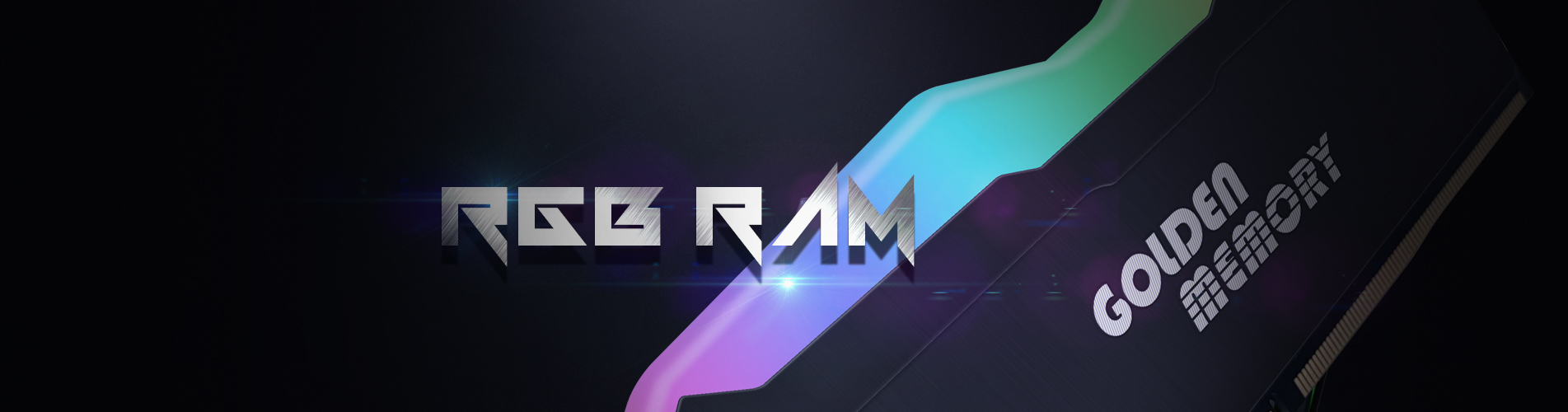
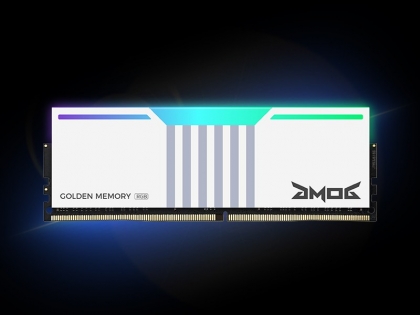
Memory RGB RAM DDR4 4GB For Desktop
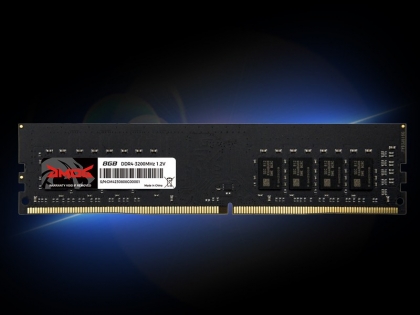
View MoreMemory RAM DDR4 4GB For Desktop
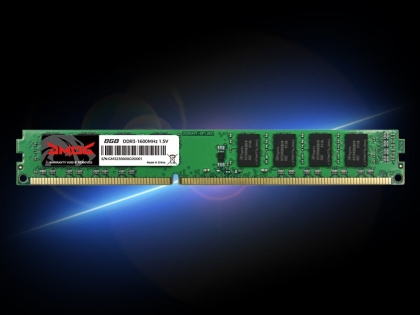
View MoreWith Heatsink RAM DDR3 8GB For Desktop
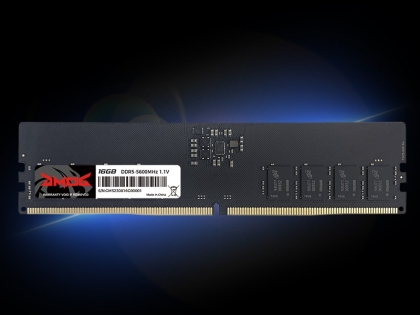
View MoreMemory RGB RAM DDR4 16GB For Desktop
View MoreMemory RGB RAM DDR4 16GB For Desktop
View MoreMemory RGB RAM DDR4 8GB For Desktop
View MoreMemory RGB RAM DDR4 8GB For Desktop
View MoreWhy Did Motherboard Prices Suddenly Surge? Temo Technology Will Explain it For You.
Aug 31, 2026
Why Did Motherboard Prices Suddenly Surge? Temo Technology Will Explain it For You.
Hi, this is Winnie.
Are you feeling shocked about the motherboard price suddenly surge this week? Actually, the motherboards materials already went up a lot from July. The recent wave of motherboard price increases in 2026 isn't primarily due to a sudden surge in motherboard demand, but rather because upstream costs are being driven up by AI server demand, leading motherboard manufacturers to pass on this cost pressure downstream.
The main reasons are as follows:
1.PCB (Printed Circuit Board) Price Increases
This is one of the most direct reasons.
Supply chain sources indicate that PCB costs may rise significantly in the third quarter of 2026, with some suggesting a "up to 50% increase"; ASUS, MSI, and Gigabyte are rumored to be following suit. However, this 50% figure is currently only supply chain information and has not been officially confirmed by manufacturers.
2. AI Takes a Significant Slot of Upstream Capacity
AI servers consume a large amount of components such as HBM, DRAM, NAND, PCB, and MLCC.
TrendForce predicts that in the second quarter of 2026, general DRAM contract prices will increase by 58-63% quarter-on-quarter, and NAND Flash contract prices will increase by 70-75%, with storage manufacturers prioritizing capacity for servers and AI applications.
This will indirectly increase the costs of memory-related components, power supplies, chips, and PCBs on motherboards.
3.Raw material prices, including copper, copper-clad laminates, and MLCCs, are also rising.
A motherboard isn't just a PCB; it contains numerous capacitors, inductors, MOSFETs, power supply modules, and control chips.
The electronic component supply chain is generally facing rising costs and longer lead times in the second half of this year, and PCB raw material supply is also tight.
Motherboard manufacturers are more likely to raise prices despite declining sales.
This seems unusual: why raise prices when sales are poor?
Because memory, SSDs, and other components are now expensive, increasing the overall cost of building a PC. Consumers are delaying their builds, which also affects motherboard sales.
With decreased shipments, manufacturers need to spread fixed R&D, distribution, and production costs across fewer products, resulting in greater cost pressure.
The DDR5 platform itself makes the "overall PC price increase" more pronounced.
Currently, AMD AM5 and Intel's new platforms are basically all based on DDR5.
Previously, it was possible to buy cheaper DDR4 to reduce the overall cost of a PC, but this is difficult to do with the new platforms; therefore, when memory prices rise, the overall cost of building a PC—including the motherboard, CPU, and memory—increases.
But if you ask us if you can wait for the price decreasing? We do not suggest this. Current information indicates that cost pressures on PCBs, DRAM, and NAND will persist until at least the second half of 2026, and a comprehensive price reduction is not expected in the short term. You can take this under consideration.
Best regards,
Winnie
Friendly Links :
tslcd 3splc distributed control system PLC Module Wholesale Omni Antennas tonewinner IPTV Products Handheld Refractometers fibertoptech automation control products 5gplc Huaqing Electronic Proximity Sensor catflo Fibertopsfp floor heating thermostat Ourino senhaixun Custom Wiring Harness Crystal Oscillator dtechelectronics syblecode gangyuantech yxsxceramic kerienplc smarts-electronics liantronics gzyelecauto homnecks Green Hydrogen Systems zhicetemptech bonle benchu-group ABB Digital I/O Module esdled citcable