Have any questions?
get in touchTel : +86 18038131568
Whatsapp : +86 18038131568
E-mail : jw@pcjoinwin.com
Skype : joinwinsales01


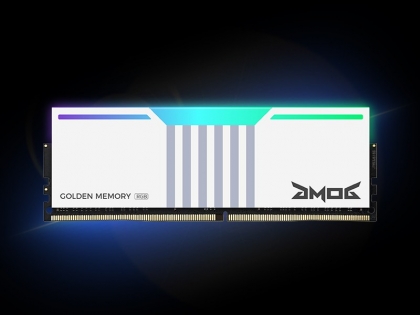
Memory RGB RAM DDR4 4GB For Desktop
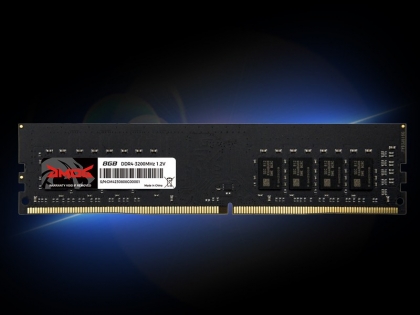
View MoreMemory RAM DDR4 4GB For Desktop
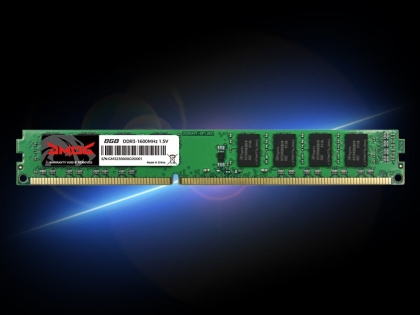
View MoreWith Heatsink RAM DDR3 8GB For Desktop
View MoreMemory RGB RAM DDR4 16GB For Desktop
View MoreMemory RGB RAM DDR4 16GB For Desktop
View MoreMemory RGB RAM DDR4 8GB For Desktop
View MoreMemory RGB RAM DDR4 8GB For Desktop
View MoreQ3 Price Forecast for the Storage Industry-- Temo Technology
Jul 20, 2026
Q3 Price Forecast for the Storage Industry-- Temo Technology
Hi, this is Winnie.
Q3 is coming, many customers are shocked about the price increasing this week. After nearly three months of inventory digestion, the memory spot market has finally reached a turning point. Aletheia Capital projects that the average selling price of server DRAM will rise by 30% quarter-over-quarter in the third quarter of 2026. Since late June, prices across various memory spot products have steadily rebounded, with a simultaneous uptick in market inquiries and actual transaction volumes. Shortages have emerged for certain products, and a sentiment of holding back stock in anticipation of price hikes—or a reluctance to sell while waiting to see how the market evolves—has intensified significantly, marking a clear improvement in the overall market climate.
Recent spot market performance indicates that this round of price increases is not driven by a significant recovery in end-user demand, but rather reflects a renewed tightening of supply and demand dynamics.
This week, reports emerged that a domestic DRAM manufacturer had signed a long-term supply agreement with Tencent—valued at over RMB 20 billion and spanning three to five years—while Lenovo also entered into long-term partnerships with the three major international memory manufacturers (Samsung Electronics, Micron, and SK Hynix) to secure supplies in advance for its AI server and infrastructure businesses.
These developments illustrate a shift in the competitive dynamics of the industry supply chain. In the past, companies purchasing memory focused primarily on low prices; today, the priority has shifted to ensuring future availability and a continuous supply.
The proliferation of long-term procurement agreements signals that the memory industry has entered a phase defined by "capacity locking."
As the second half of the year begins, market focus has shifted to the race to secure resources. The key factor driving future market trends will no longer be short-term price fluctuations, but rather which players can be the first to lock in limited production capacity. Given the difficulty of rapidly bringing new supply to market, the memory market's upward cycle is expected to continue.
Best regards,
Winnie
Friendly Links :
tslcd 3splc distributed control system PLC Module Wholesale Omni Antennas tonewinner IPTV Products Handheld Refractometers fibertoptech automation control products 5gplc Huaqing Electronic Proximity Sensor catflo Fibertopsfp floor heating thermostat Ourino senhaixun Custom Wiring Harness Crystal Oscillator dtechelectronics syblecode gangyuantech yxsxceramic kerienplc smarts-electronics liantronics gzyelecauto homnecks Green Hydrogen Systems zhicetemptech bonle benchu-group ABB Digital I/O Module esdled citcable